
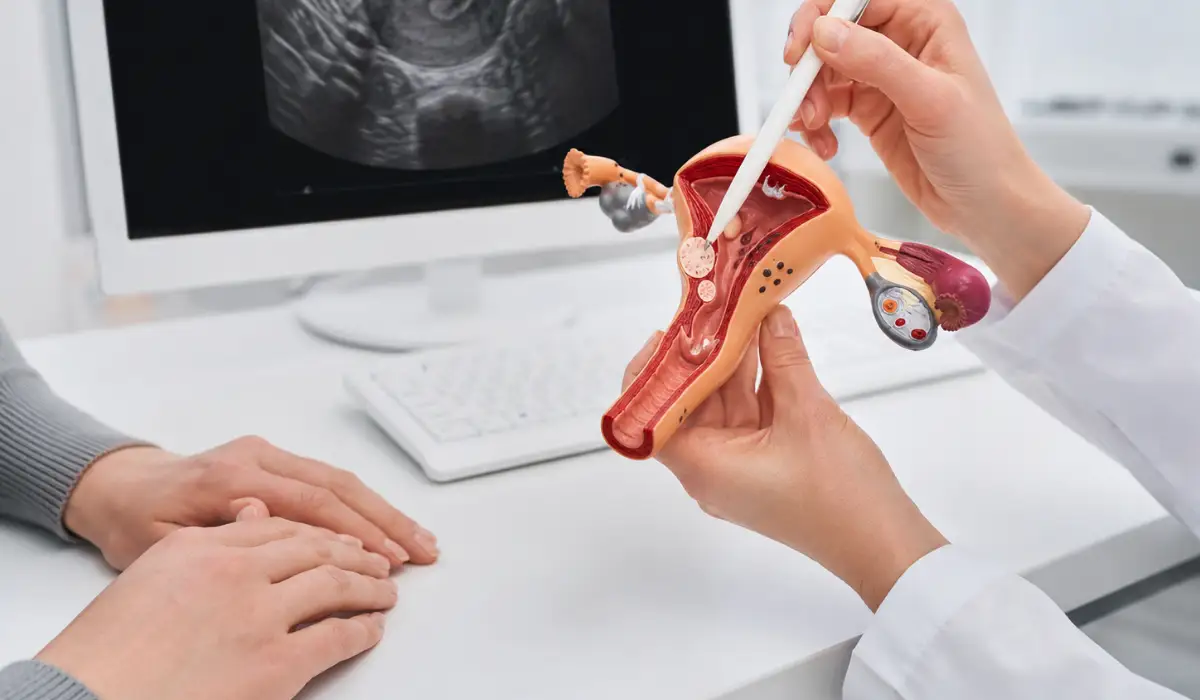
If you are wondering, why am I bleeding years after hysterectomy, the most important point is that new vaginal bleeding should be checked by a healthcare professional. It does not automatically mean something serious, but it is not something to ignore.
Possible causes include vaginal dryness, delicate scar tissue, infection, irritation after sex, or monthly spotting when the cervix remains after a partial hysterectomy. Less commonly, bleeding may be linked to abnormal cervical or vaginal cells. A medical examination is needed to identify the source.
Is Bleeding Normal Years After a Hysterectomy?
Light bleeding and discharge can be normal during the first several weeks of hysterectomy recovery. However, bleeding that begins months or years later is different and should be assessed, even when it only happens once. Although a hysterectomy stops periods when the uterus is removed, light cyclical spotting can still occur after a partial hysterectomy if the cervix remains.
After a total hysterectomy, the uterus and cervix are removed, so menstrual bleeding should stop. A supracervical or partial hysterectomy leaves the cervix in place, allowing some people to experience occasional or monthly spotting.
Common Causes of Bleeding After Hysterectomy
The cervix was not removed
A partial hysterectomy removes the main part of the uterus but leaves the cervix. A small amount of uterine lining may remain near the cervix and continue responding to ovarian hormones. A partial hysterectomy removes the uterus but leaves the cervix in place, so some people may continue to experience light monthly spotting.
This can cause light, predictable bleeding around the same time each month. However, new, heavier, irregular, or painful bleeding still requires an examination. People whose cervix remains should continue cervical cancer screening according to their medical history and current screening guidance.
Vaginal dryness and tissue thinning
Lower estrogen levels during and after menopause can make vaginal tissue thinner, drier, and easier to irritate. This condition is commonly called vaginal atrophy or genitourinary syndrome of menopause. Many people also ask whether a hysterectomy causes menopause. Menopause begins immediately only when both ovaries are removed, although ovarian function can sometimes decline earlier after surgery.
Fragile tissue may bleed after sex, exercise, an examination, or minor friction. Other symptoms can include burning, dryness, itching, painful sex, and urinary discomfort.
Vaginal cuff irritation or scar tissue
When the cervix is removed, the surgeon closes the upper end of the vagina, creating a vaginal cuff. Healing tissue at this site can sometimes become delicate or develop granulation tissue.
This tissue may cause light spotting, bloody discharge, or bleeding after intercourse. A gynecologist can usually identify it during a pelvic examination and discuss appropriate treatment.
Infection or inflammation
Vaginal infections can irritate tissue and lead to spotting, unusual discharge, odor, itching, or discomfort. Friction during sex can also cause small tears, particularly when vaginal tissue is dry.
Bleeding combined with fever, worsening pelvic pain, painful urination, or foul-smelling discharge needs prompt medical attention.
The Bleeding May Come From Another Area
Blood on underwear or toilet paper is not always vaginal. It may come from the urinary tract, rectum, or external genital skin. For example, blood in the urine can result from a urinary infection, kidney stones, or another bladder condition.
Keeping track of when the blood appears can help. Note whether it happens during urination, after a bowel movement, following sex, or without an obvious trigger.
Could Bleeding Be a Sign of Cancer?
Cancer is not the most common explanation, but it must be considered when bleeding is unexplained. Vaginal cancer can cause bleeding after sex, postmenopausal bleeding, unusual discharge, painful sex, or a vaginal lump.
Cervical disease is also possible when the cervix was left in place. Anyone who had a hysterectomy for cervical, uterine, or another gynecological cancer should report new bleeding promptly because follow-up requirements differ from those after surgery for a noncancerous condition.
Bleeding does not confirm cancer. A pelvic examination and appropriate testing are necessary to find the cause.
How Doctors Investigate the Bleeding?
A healthcare professional will first ask which type of hysterectomy you had, why it was performed, and whether your ovaries or cervix remain. Bring your surgical report when possible.
The evaluation may include:
- A pelvic and vaginal examination
- Inspection of the vaginal cuff
- Cervical screening when the cervix remains
- Urine testing if blood may come from the bladder
- Infection testing
- Biopsy of abnormal vaginal or cervical tissue
- Ultrasound or other imaging when needed
The exact tests depend on your symptoms, age, surgery type, and previous medical history.
Practical Safety Tips
Unexpected bleeding cannot always be prevented, but several steps can reduce irritation and make diagnosis easier.
Use a water-based or silicone-based lubricant if dryness causes discomfort during sex. Avoid douching and scented vaginal products, which can worsen irritation. Ask a clinician about vaginal moisturizers or prescription treatments for menopausal dryness.
Record the blood’s color, amount, timing, and possible triggers. Also note pelvic pain, urinary symptoms, odor, discharge, or bleeding after sex. Do not insert tampons or attempt to examine the vaginal cuff yourself.
Continue recommended pelvic examinations and cervical screening when applicable.
When to Seek Professional Help?
Arrange a gynecology appointment for any bleeding that begins years after hysterectomy, especially if it returns, occurs after sex, or is accompanied by pelvic pain or unusual discharge. Any bleeding after menopause should be evaluated, even when it is only light spotting.
Seek urgent care if you are soaking through a pad every hour, passing large clots, feeling faint, or experiencing severe pelvic pain. Chest pain, shortness of breath, sudden weakness, or heavy bleeding with dizziness requires emergency attention.
Final Thoughts
Bleeding years after a hysterectomy can result from retained cervical tissue, vaginal dryness, scar tissue, infection, or irritation. Although serious causes are less common, unexplained bleeding should still be evaluated according to postmenopausal bleeding guidance.
Do not assume the bleeding is a returning period or simply part of aging. A gynecologist can locate the source and recommend treatment based on the cause, including appropriate bleeding after hysterectomy care.
FAQs
A true menstrual period cannot occur after total hysterectomy. Light cyclical spotting may continue after partial hysterectomy when the cervix and small endometrial areas remain.
Yes. Low estrogen can make vaginal tissue thin, dry, and easily irritated. Friction from sex, exercise, or an examination may then cause light spotting.
Bleeding after sex is not considered normal years after surgery. Dryness, scar tissue, infection, cervical changes, or vaginal abnormalities may be responsible and need evaluation.
Yes. Delicate granulation or scar tissue may form where the vagina was closed after surgery. It can cause spotting, discharge, discomfort, or bleeding following intercourse.
You may need cervical screening if your cervix remains or you previously had significant cervical abnormalities. Screening needs depend on surgery type, age, and medical history.
Seek emergency care for heavy bleeding, large clots, fainting, severe pain, chest pain, breathing difficulty, or dizziness. Lighter unexpected bleeding still requires a gynecology appointment.
Reference
- American College of Obstetricians and Gynecologists: Hysterectomy (ACOG)
- National Cancer Institute: Vaginal cancer symptoms (Cancer.gov)