
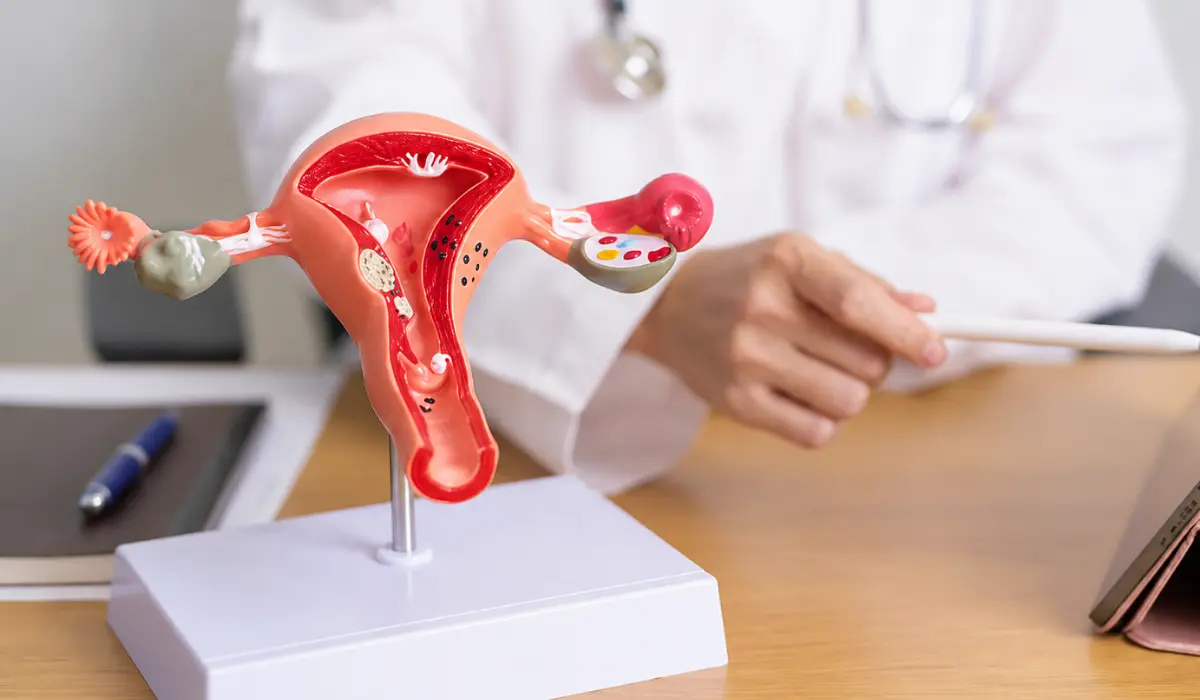
A hysterectomy permanently stops menstrual periods because the uterus is removed. Without a uterus, the monthly lining cannot form or shed, and pregnancy is no longer possible.
However, the exact changes depend on the type of hysterectomy. Some people who keep their cervix may experience light monthly spotting. The ovaries may also continue producing hormones, even though regular menstrual bleeding has ended.
Why Do Periods Stop After a Hysterectomy?
A menstrual period happens when the lining inside the uterus breaks down and leaves the body. During a hysterectomy, the uterus is removed, so this monthly bleeding can no longer occur.
A total hysterectomy removes the uterus and cervix. After this procedure, regular menstrual periods stop permanently. The operation also means that a pregnancy can no longer develop.
Stopping periods does not always mean that menopause has begun. Menstruation depends on the uterus, while menopause mainly depends on ovarian hormone production.
Does the Type of Hysterectomy Make a Difference?
Total Hysterectomy
A total hysterectomy removes both the uterus and cervix. Normal periods stop completely because the entire uterus, including the tissue that produces menstrual bleeding, has been removed.
Light bleeding during surgical recovery is possible, but this is not a menstrual period.
Partial Hysterectomy
A partial hysterectomy, also called a supracervical or subtotal hysterectomy, removes the main body of the uterus while leaving the cervix in place.
Some people continue to experience light monthly spotting after this procedure. A small amount of hormone-responsive tissue may remain near the cervix and bleed during the ovarian cycle.
This bleeding is generally much lighter than the periods experienced before surgery. Persistent, increasing or unexpected bleeding still requires medical evaluation.
Radical Hysterectomy
A radical hysterectomy removes the uterus, cervix and additional nearby tissue. It is mainly used for certain gynecologic cancers. Regular periods stop after this procedure because the uterus has been removed.
Can You Still Have Monthly Symptoms?
When one or both ovaries remain, they may continue releasing eggs and producing estrogen and progesterone. This means the hormonal cycle may continue even without menstrual bleeding.
Some people notice monthly bloating, breast tenderness, mood changes, mild cramping or headaches. These symptoms can occur around the time a period would previously have started.
The ovaries may continue functioning until natural menopause. Since there are no periods to track, menopause may be recognised through symptoms such as hot flashes, night sweats, vaginal dryness and sleep changes.
Does a Hysterectomy Cause Menopause?
Removing the uterus alone does not usually cause immediate menopause. When the ovaries remain, they may continue making hormones until natural menopause occurs. However, menopause may sometimes arrive earlier following hysterectomy.
Many people wonder whether a hysterectomy can cause menopause. Removing the uterus alone does not usually trigger menopause, but removing both ovaries causes an immediate drop in hormones and surgical menopause.
The sudden hormone decline may cause hot flashes, night sweats, vaginal dryness, sleep problems, mood changes and reduced sexual desire. A healthcare professional can explain whether hormone therapy or nonhormonal treatment is appropriate.
Is Bleeding Normal After Surgery?
Light spotting or pink, brown or pale red discharge can occur while internal tissues heal. This postoperative bleeding is different from a menstrual period.
Bleeding should gradually become lighter. Follow the surgeon’s instructions about pelvic rest, which normally means avoiding tampons, douching and vaginal sex until healing has progressed.
Heavy bleeding, large clots or discharge with a strong unpleasant smell should not be treated as a returning period.
Can Periods Return Years Later?
Normal periods cannot return after the uterus has been completely removed. New bleeding months or years after a total hysterectomy needs medical assessment.
Possible causes may involve the vagina, cervix when it remains, urinary tract or rectum. Irritation, infection, tissue changes or other medical conditions can also cause spotting.
Do not assume that unexpected bleeding is harmless. This is especially important when bleeding occurs after sex, repeatedly returns or appears after menopause.
Do You Still Need Cervical Screening?
Cervical screening may continue after a partial hysterectomy because the cervix remains. The recommended schedule depends on age, previous Pap or HPV results and personal medical history.
Screening needs after a total hysterectomy depend on why surgery was performed and whether there is a history of cervical cancer or precancerous changes. Ask a healthcare professional before stopping routine screening.
When to Seek Medical Help?
Contact the surgical team if bleeding becomes heavier rather than lighter or soaks through a pad quickly. Medical advice is also needed for fever, worsening pain, foul-smelling discharge or increasing redness around an incision.
Difficulty urinating, persistent vomiting, breathing problems, inability to pass gas or stool, and painful leg swelling also require prompt assessment. These symptoms may indicate infection, a blood clot or another surgical complication.
Final Thoughts
A hysterectomy normally stops menstrual periods because the uterus is removed. A partial hysterectomy may still allow mild monthly spotting when the cervix and a small amount of responsive tissue remain. Reliable hysterectomy procedure information can help explain how each surgical type affects bleeding.
Keeping the ovaries means hormonal cycles can continue, so monthly symptoms may occur without bleeding. Any heavy, persistent, or new bleeding after recovery should be checked according to trusted post-hysterectomy bleeding guidance.
FAQs
Regular menstrual periods stop after the uterus is removed. However, light postoperative spotting or discharge may continue temporarily while the internal surgical area heals.
Yes. Some people experience mild monthly spotting because the cervix remains and a small amount of hormone-responsive uterine tissue may be left near it.
Ovulation may continue when one or both ovaries remain. Eggs are still released, but pregnancy cannot occur because the uterus is no longer present.
Some people notice monthly cramping, bloating or mood changes when their ovaries remain. Persistent or severe pelvic pain should be discussed with a gynecologist.
Not necessarily. Periods stop because the uterus is removed. Menopause occurs when ovarian hormone production declines naturally or both ovaries are surgically removed.
Seek medical advice for heavy bleeding, large clots, worsening pain, fever, foul-smelling discharge or bleeding that begins again after surgical recovery is complete.