
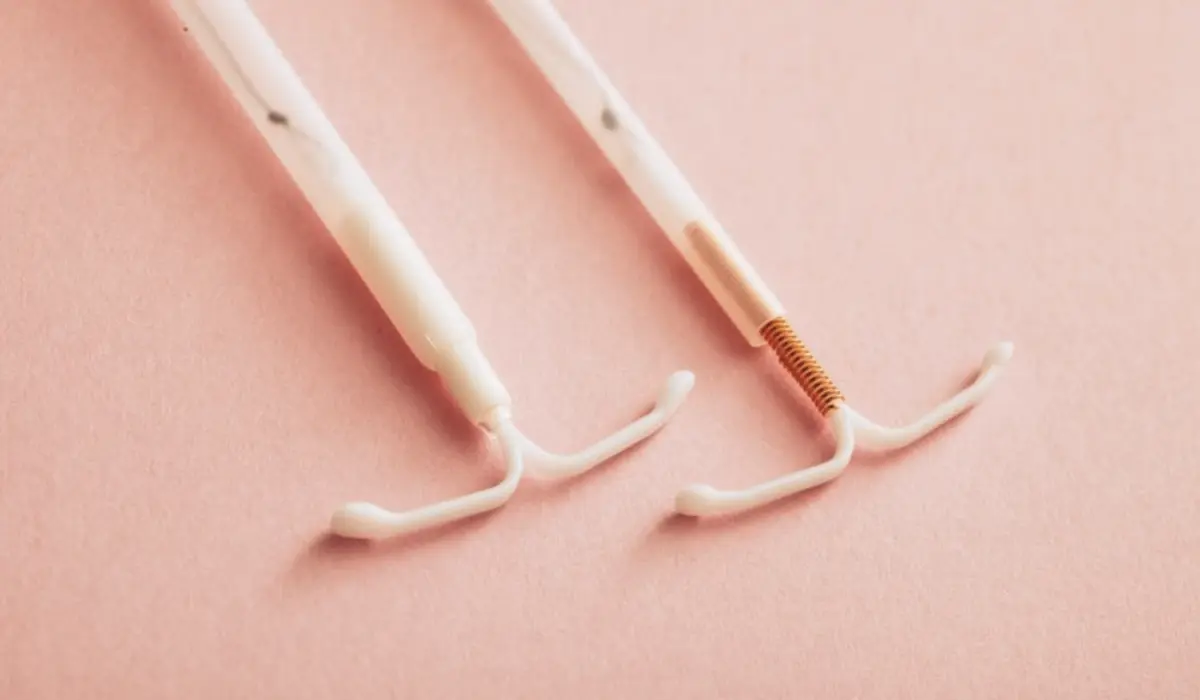
A copper IUD and a hormonal IUD are both more than 99% effective, reversible birth control methods. Copper provides hormone-free protection but may increase menstrual bleeding. A hormonal IUD releases progestin and usually makes periods lighter. The better choice depends on your periods, health history, and personal preferences.
What Is the Difference Between a Copper and Hormonal IUD?
A copper IUD prevents pregnancy without hormones. A hormonal IUD releases a small amount of levonorgestrel, a form of progestin, inside the uterus.
An intrauterine device, or IUD, is a small T-shaped device placed in the uterus by a healthcare professional. Both types are long-acting reversible contraceptives. They work for several years but can be removed whenever pregnancy is desired or another method is preferred.
Copper affects sperm movement and function, making fertilization difficult. A hormonal IUD thickens cervical mucus, making it harder for sperm to enter the uterus. It also keeps the uterine lining thin.
Copper IUD vs Hormonal IUD Comparison
Both options provide highly reliable, low-maintenance contraception. Their main differences involve hormones, menstrual changes, duration, and emergency use.
| Feature | Copper IUD | Hormonal IUD |
| Hormones | None | Releases levonorgestrel |
| Effectiveness | More than 99% | More than 99% |
| Duration | Commonly up to 10 years | About 3–8 years |
| Period changes | May become heavier or more painful | Usually become lighter |
| Emergency contraception | Can be used within five days | Not routinely used for this purpose |
| Fertility after removal | Returns quickly | Returns quickly |
| STI protection | None | None |
Approved duration depends on the exact device and country. Either type can be removed early, and fertility usually returns quickly after removal.
Which IUD Is More Effective?
Copper and hormonal IUDs are similarly effective. Fewer than one out of every 100 IUD users becomes pregnant during the first year of typical use.
Their effectiveness is high because users do not need to remember a daily pill. Once correctly placed, the device works continuously unless it is expelled or moves out of position.
How Do IUDs Affect Periods?
The copper IUD commonly increases menstrual bleeding and cramps, especially during the first few months. A hormonal IUD often causes irregular spotting initially but usually reduces bleeding over time.
With copper, periods may become longer, heavier, or more painful during the first three to six months. These changes may improve as the body adjusts, although some users continue to have heavier cycles. Anyone with severe cramps, heavy periods, or anemia should discuss these concerns before choosing copper.
A hormonal IUD can also cause unpredictable bleeding during the first three to six months. Later, periods often become lighter, shorter, or less frequent. Some users stop having periods because the uterine lining remains thin, not because menstrual blood is trapped inside the body.
What Side Effects Can Occur?
Both IUD types may cause cramping, spotting, dizziness, or discomfort during and shortly after insertion. These effects are often temporary, but individual experiences can differ.
Copper IUD side effects mainly include heavier bleeding, longer periods, and stronger menstrual cramps. It does not release hormones, but being hormone-free does not mean it is free from side effects.
Hormonal IUD users may experience irregular bleeding, headaches, acne, breast tenderness, pelvic discomfort, or temporary ovarian cysts. Many users notice fewer bleeding days after the initial adjustment period.
Who May Prefer a Copper IUD?
A copper IUD may suit someone who wants long-term contraception without hormones. It may also appeal to people who experienced unwanted effects from hormonal birth control or want to maintain their natural menstrual cycle.
It may be less suitable for someone with heavy, painful, or prolonged periods because copper can worsen these symptoms. Existing anemia or significant menstrual discomfort should be reviewed with a healthcare professional.
A copper IUD can also provide emergency contraception when inserted within five days after unprotected sex. It can then remain in place as an ongoing birth control method.
Who May Prefer a Hormonal IUD?
A hormonal IUD may suit someone who wants reliable birth control and lighter, less painful periods. It may be particularly useful for people experiencing heavy menstrual bleeding or severe cramps.
This type contains progestin but does not contain estrogen. Certain hormonal IUDs are also approved to treat heavy menstrual bleeding while providing pregnancy prevention.
Is IUD Insertion Painful?
IUD insertion can cause pressure and cramping ranging from mild to severe. The procedure usually takes only a few minutes. Light bleeding and cramps may continue for several days.
Pain experiences differ considerably. Patients can ask about available pain-management options before the appointment. Severe pain, heavy bleeding, fever, or worsening symptoms after insertion require medical assessment.
What Are the Main IUD Risks?
Serious complications are uncommon, but both types carry small risks. Possible complications include partial or complete expulsion, perforation of the uterine wall during placement, infection around insertion, and pregnancy with the device in place.
Pregnancy during IUD use requires prompt medical evaluation. The pregnancy’s location must be confirmed because pregnancies occurring with an IUD in place have a greater likelihood of being ectopic.
Medical advice is important if the IUD strings cannot be felt, pelvic pain develops, or bleeding becomes unusually heavy. New Bleeding With an IUD After 2 Years should also be checked by a healthcare professional.
How Do You Choose the Right IUD?
Choose according to whether avoiding hormones or improving menstrual symptoms matters more. Someone with manageable periods who strongly prefers hormone-free contraception may favor copper. Someone with heavy bleeding or painful cramps may prefer a hormonal IUD.
Medical conditions, previous contraceptive experiences, desired duration, and pregnancy plans should also guide the decision. Although pregnancy with an IUD is uncommon, users should understand the Signs of Pregnancy With IUD and seek medical care if symptoms appear. A healthcare professional can review these factors and determine whether either option presents a specific concern.
Key Takeaway
Copper and hormonal IUDs provide similarly strong pregnancy prevention but affect periods differently. Copper offers hormone-free protection, while a hormonal IUD often improves heavy or painful periods. The best choice should reflect personal priorities and professional medical guidance.
FAQs
Neither type is universally safer. The safest choice depends on menstrual bleeding, medical history, hormone-related conditions, uterine health, infection risk, and individual tolerance.
Copper avoids hormone-related effects but may worsen periods. Hormonal IUDs often reduce bleeding but may cause spotting, headaches, acne, breast tenderness, or pelvic discomfort.
Some users report weight changes, but this does not prove the IUD caused them. Diet, activity, stress, medications, aging, and health conditions may also contribute.
Yes. Fertility can return quickly after either type is removed. Anyone avoiding pregnancy should arrange another birth control method before having the IUD removed.
Normal exercise and sexual activity do not usually move a correctly positioned IUD. Seek medical advice if the strings change noticeably or the device becomes detectable.
A hormonal IUD is generally preferred because it often reduces menstrual flow and cramps. A copper IUD may increase bleeding, particularly during the first several months.