
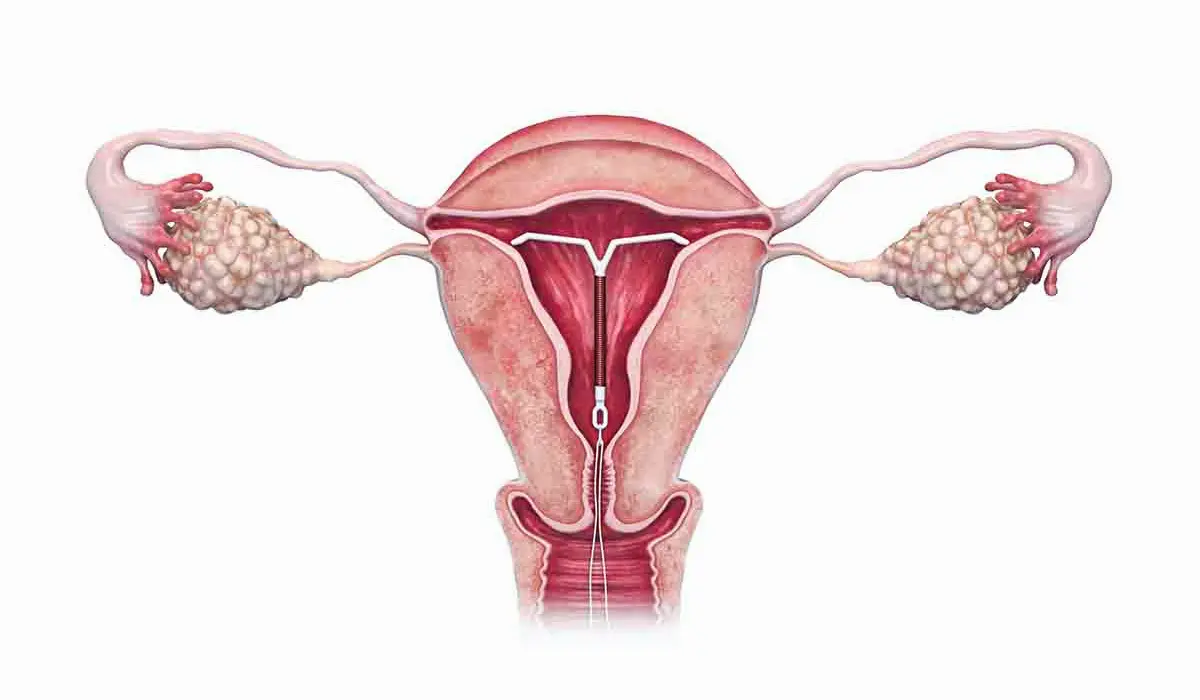
Patients across Tampa, Florida have been asking their doctors about one specific worry: how would someone even know if an IUD had failed?
An intrauterine device blocks pregnancy better than almost any other birth control method on the market, yet no device works with 100% certainty.
Learning the early signs your body might send helps you catch a rare failure quickly and get the right care without delay.
How Likely Is Pregnancy With an IUD in Place?
Both copper and hormonal IUDs sit above 99% effectiveness, making unplanned pregnancy uncommon. Still, a small number of pregnancies happen every year among IUD users, usually tied to expulsion, movement out of position, or intercourse during the early window before a hormonal device takes full effect. Knowing the odds are low shouldn’t stop you from paying attention to your body if something feels off.
Early Physical Signs Worth Noticing
Pregnancy symptoms don’t change just because a device sits in the uterus. The usual early markers still apply:
- Breast tenderness or swelling that feels different from your normal cycle
- Nausea, with or without actual vomiting, at any time of day
- Fatigue that goes beyond your typical tiredness
- Frequent urination, even without drinking more fluids
- Sudden food cravings or aversions
- Mild cramping that mimics period pain but doesn’t lead to a period
- Light spotting that doesn’t match your usual bleeding pattern
None of these symptoms confirm pregnancy on their own, since stress, hormonal shifts, and the IUD itself can cause similar sensations. A pregnancy test remains the only reliable way to rule it in or out.
The Missed Period Problem
A missed period usually ranks as the clearest pregnancy signal, but IUDs complicate that signal in different ways depending on the type.
Hormonal IUDs often make periods lighter over time, and many users stop having periods altogether after a year or more of use. This makes a “missed period” a confusing marker, since an absent period might just be normal life on a hormonal device rather than a pregnancy sign.
Copper IUDs don’t typically affect ovulation or periods, so a copper IUD user who suddenly misses a period has a more meaningful signal worth checking with a test.
Checking Your IUD Strings
Every IUD comes with thin strings that extend through the cervix, letting both you and your doctor confirm the device is still correctly placed. A change in your strings can point to a problem before other pregnancy symptoms even show up:
- Strings that feel noticeably shorter than before
- Strings that feel longer or looped
- Strings you can no longer feel at all
Any of these changes suggests the IUD may have shifted or partially expelled, which raises pregnancy risk. Contact your OB-GYN for a check rather than trying to reposition anything yourself.
When Symptoms Suggest an Ectopic Pregnancy?
Because an IUD works specifically to stop implantation inside the uterus, a pregnancy that does occur with an IUD in place has a higher relative chance of implanting outside the uterus, most often in a fallopian tube. This is called an ectopic pregnancy, and it needs urgent medical attention. Warning signs include:
- Sharp, one-sided pain in the lower abdomen or pelvis
- Vaginal bleeding that feels different from a normal period
- Pain in the tip of the shoulder
- Lightheadedness, fainting, or a racing heartbeat
- Pale, cool, or clammy skin
Anyone noticing these symptoms should seek emergency medical care immediately rather than scheduling a routine appointment.
Can You Be Pregnant Without a Period at All?
Yes. Ovulation, not menstruation, determines fertility, and ovulation can occur even when periods have stopped or become irregular. This matters especially for hormonal IUD users whose periods may already be light, sporadic, or absent as a normal side effect. A pregnancy test offers a far more reliable answer than tracking bleeding patterns alone.
What To Do If You Notice These Signs?
- Take a home pregnancy test, ideally around the time you’d expect a period or a few weeks after a suspected exposure.
- Check your IUD strings using clean hands, noting any change from what feels normal for you.
- Book an appointment with your doctor promptly, especially with a positive test or ectopic warning signs.
- Leave the IUD in place until a doctor evaluates the pregnancy’s location, since removal timing depends on where the pregnancy has implanted.
A doctor will typically confirm the pregnancy with a test, locate the IUD and the pregnancy using ultrasound, and walk through next steps based on your specific situation.
Frequently Asked Questions
1. Can I feel pregnancy symptoms right after my IUD is inserted?
Early post-insertion cramping and spotting are common side effects of the procedure itself and don’t indicate pregnancy. True pregnancy symptoms typically wouldn’t appear until at least a couple of weeks after conception.
2. Do IUD pregnancy symptoms feel different from a normal pregnancy?
The symptoms themselves are the same as any early pregnancy. The difference lies in added risk factors, like a higher chance of ectopic pregnancy, that make prompt medical follow-up more important.
3. Is cramping alone a reliable pregnancy sign with an IUD?
Not on its own. Cramping can come from the IUD, ovulation, or an unrelated cause. Combine it with other signs, like a missed period or string changes, and confirm with a test.
4. How soon should I test if I suspect pregnancy with an IUD?
Waiting until the day of your expected or missed period gives the most accurate result, though sensitive tests can sometimes detect pregnancy a few days earlier.
5. Can a doctor tell if my IUD has failed just from a physical exam?
A physical exam checking your strings can suggest a problem, but confirming pregnancy and locating both the embryo and the device usually requires a pregnancy test and an ultrasound.
References
- Planned Parenthood. “IUD Birth Control.”
https://www.plannedparenthood.org/learn/birth-control/iud - MedlinePlus. “Ectopic Pregnancy.”
https://medlineplus.gov/ectopicpregnancy.html