
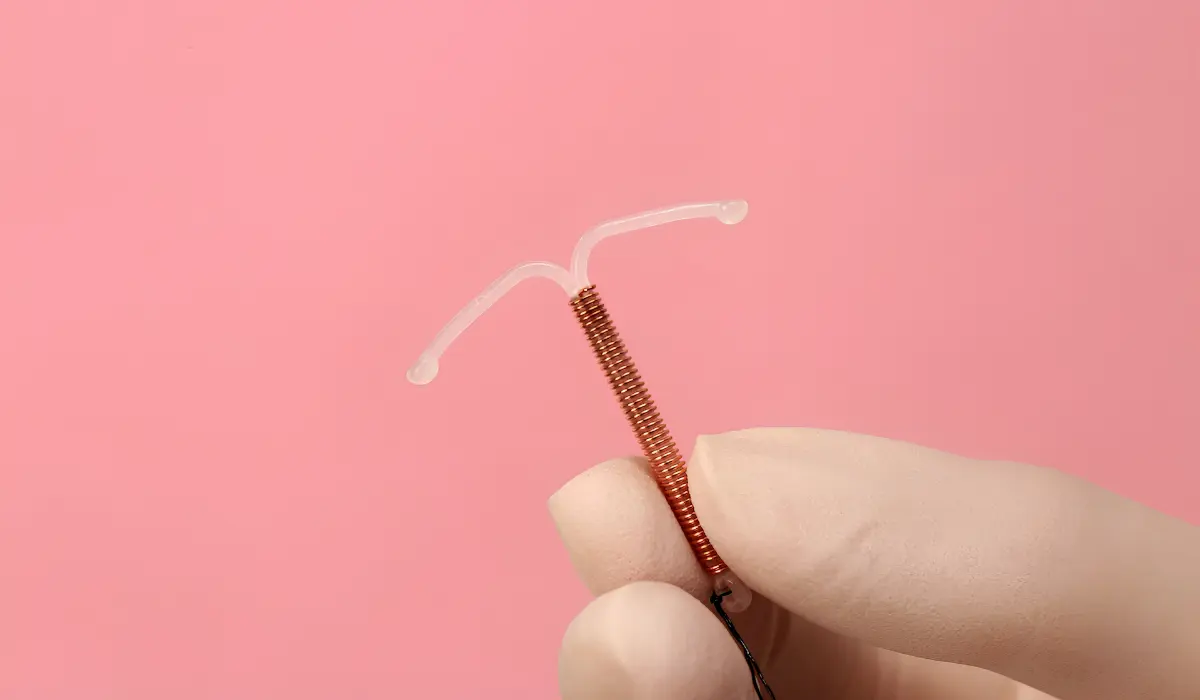
If you are asking, why am I bleeding with an IUD after 2 years, the answer depends on your IUD type, bleeding pattern, pain level, pregnancy risk, and whether other symptoms are present. Light spotting can happen with an IUD, but new bleeding after a long stable pattern should be checked if it is heavy, painful, persistent, or unusual for you.
Bleeding does not always mean something serious. Still, a healthcare provider may need to rule out pregnancy, infection, IUD movement, cervical changes, fibroids, polyps, or other causes of abnormal bleeding.
Is Bleeding After 2 Years With an IUD Normal?
Some irregular bleeding can happen with IUDs, especially during the first few months. Hormonal IUDs may cause irregular or frequent bleeding at first, but this often improves over time. Copper IUDs can make periods heavier, longer, or more painful, especially early after placement.
Bleeding after two years is different from early adjustment bleeding. If your periods have been predictable or absent for a long time and bleeding suddenly starts, it is worth contacting a healthcare provider.
Hormonal IUD vs Copper IUD Bleeding
Hormonal IUD
A hormonal IUD releases progestin. Over time, it often makes periods lighter or may stop periods altogether. Some people still have occasional spotting, especially around the time their natural cycle would have occurred.
If bleeding returns after many months without periods, possible causes include hormone level changes, the IUD nearing the later part of its approved use, infection, pregnancy, or another gynecologic issue.
Copper IUD
A copper IUD does not contain hormones. It may make periods heavier or cramps stronger. For many people, this improves after the first months, but some continue having heavier bleeding during the full time they use it.
If bleeding becomes much heavier than your usual pattern after two years, do not assume it is only the copper IUD. A checkup can help find the reason.
Common Reasons for Bleeding With an IUD After 2 Years
New bleeding can happen for several reasons. Some are minor, while others need treatment.
Possible causes include:
- Normal period changes
- Hormonal fluctuations
- IUD shifting or partial expulsion
- Pregnancy, including rare ectopic pregnancy
- Cervical irritation
- Sexually transmitted infections
- Pelvic infection
- Fibroids or polyps
- Endometriosis or adenomyosis
- Thyroid or hormone problems
- Cervical cell changes
Medical guidance recommends that new abnormal uterine bleeding in IUD users be evaluated similarly to bleeding in people without an IUD. Possible causes can include pregnancy complications, infection, and gynecologic conditions.
Could the IUD Have Moved?
An IUD can sometimes shift, sit lower in the uterus, or partly come out. This is not the most common reason for bleeding after two years, but it can happen.
Signs may include new cramping, heavier bleeding, pain during sex, a partner feeling the hard part of the IUD, strings feeling much longer or shorter, or not being able to feel the strings if you normally can.
Do not pull on the strings. Call a healthcare provider. They may do a pelvic exam or ultrasound to check placement.
Could Bleeding Mean Pregnancy?
Pregnancy with an IUD is uncommon, but no birth control method is perfect. If you have unexpected bleeding, missed periods, breast tenderness, nausea, pelvic pain, or pregnancy symptoms, take a pregnancy test.
If a pregnancy test is positive with an IUD in place, call a healthcare provider promptly. Pregnancy with an IUD needs medical evaluation because of the risk of complications, including ectopic pregnancy.
When Bleeding May Be Linked to Infection?
Bleeding with pelvic pain, pain during sex, unusual discharge, fever, or a bad odor may suggest infection. Sexually transmitted infections can also cause bleeding between periods or after sex.
This does not mean every case of bleeding is an infection. It means symptoms should be checked, especially if you have a new partner, multiple partners, or recent unprotected sex.
Bleeding After Sex With an IUD
Bleeding after sex can happen from cervical irritation, vaginal dryness, infection, polyps, cervical inflammation, or other causes. It is not always caused by the IUD itself.
If bleeding after sex happens more than once, schedule a checkup. Your provider may recommend a pelvic exam, STI testing, Pap test review, or ultrasound depending on your history.
What Tests Might a Doctor Do?
A healthcare provider may ask about your IUD type, insertion date, bleeding pattern, pain, sexual history, pregnancy symptoms, and last Pap or HPV test.
Testing may include a pregnancy test, pelvic exam, STI testing, Pap or HPV screening if due, ultrasound to check IUD position, or blood tests if heavy bleeding is present. The right tests depend on your symptoms.
What You Can Do Right Now?
Track your bleeding for a few days. Note whether it is spotting, light bleeding, period-like bleeding, or soaking pads. Also record cramps, discharge, fever, pain during sex, or pregnancy symptoms.
Use pads or liners if helpful. Avoid pulling on IUD strings. If bleeding is heavy or pain is strong, do not wait for it to pass.
When to Seek Medical Help?
Call a healthcare provider if bleeding is new, keeps returning, happens after sex, comes with pelvic pain, or is heavier than your normal period.
Seek urgent care if you have heavy bleeding, severe one-sided pelvic pain, fainting, dizziness, shoulder pain, fever, foul-smelling discharge, or a positive pregnancy test with an IUD.
Final Thoughts
Bleeding with an IUD after two years can happen for simple reasons, but it should not be ignored if it is new, heavy, painful, or different from your usual pattern.
The safest next step is to check for pregnancy if there is any chance, track your symptoms, and contact a healthcare provider. A quick exam or ultrasound can often clarify whether the IUD is still in place and whether another issue needs treatment.
FAQs
Bleeding after two years may happen from period changes, IUD movement, infection, pregnancy, fibroids, polyps, or cervical irritation. New bleeding should be checked.
Occasional spotting can happen, but new or persistent bleeding after a stable pattern deserves medical review, especially with pain, discharge, or pregnancy symptoms.
Yes, copper IUDs can cause heavier or longer periods. However, sudden changes after two years should be checked to rule out other causes.
It can. New bleeding with cramping, pain during sex, missing strings, or longer strings may suggest movement and should be checked by a provider.
Yes, take a pregnancy test if bleeding is unusual, your period is late, or you have pregnancy symptoms. Call a doctor if positive.
Seek urgent care for heavy bleeding, severe pelvic pain, fainting, fever, foul-smelling discharge, shoulder pain, or a positive pregnancy test with an IUD.