
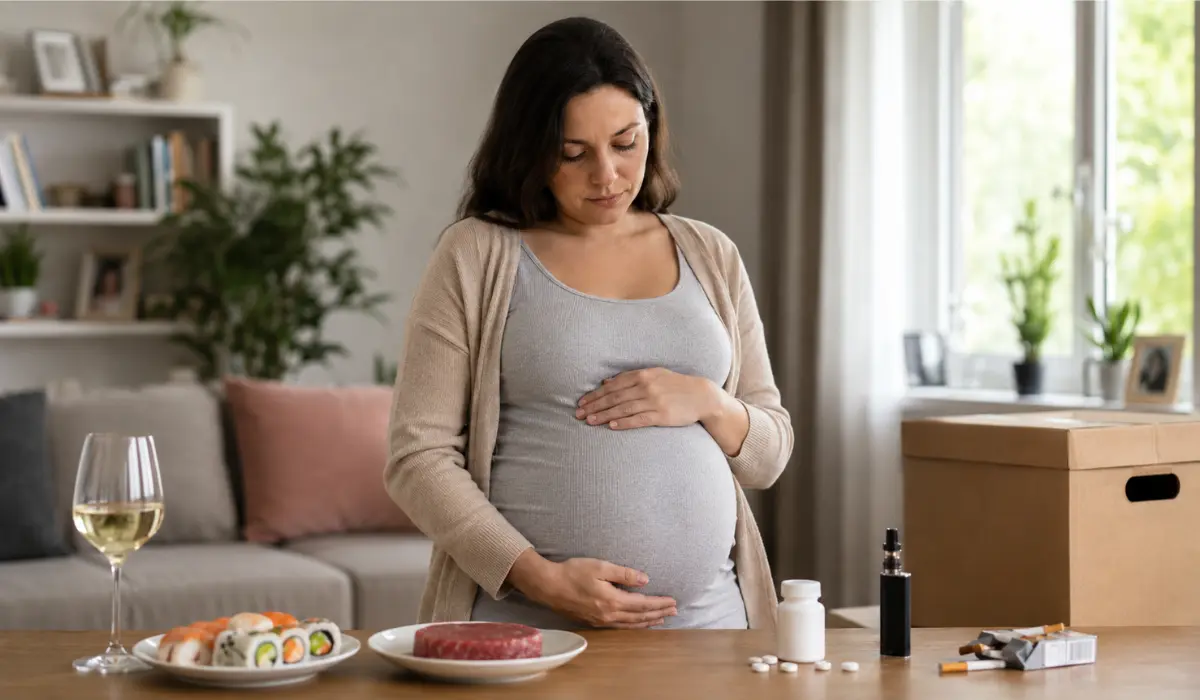
Pregnancy can bring worries about foods, activities, medicines, and habits. Some exposures raise the risk of pregnancy loss, but most early miscarriages happen because the embryo has a chromosome problem and is not developing normally. They are usually not caused by something the pregnant person did.
Knowing which risks can be reduced helps you make safer choices without fearing normal daily life. This guide explains avoidable pregnancy risks and common activities that generally do not cause pregnancy loss.
Can Miscarriage Always Be Prevented?
No. Even when someone follows every pregnancy recommendation, miscarriage may still occur. Many early losses are random events that cannot be predicted or prevented.
A threatened miscarriage refers to vaginal bleeding during early pregnancy while the cervix remains closed and the pregnancy may still continue normally. It does not always lead to pregnancy loss, but medical evaluation is important.
Age, chromosome changes, uterine conditions, uncontrolled illness, infections, and pregnancy history may affect risk. Healthy habits cannot guarantee an outcome. Prenatal care helps identify treatable concerns and monitor symptoms early.
Alcohol During Pregnancy
Alcohol should be avoided throughout pregnancy because no safe amount, type, or time has been established. Beer, wine, spirits, and cocktails all expose the developing baby to alcohol.
Drinking during pregnancy is associated with miscarriage, stillbirth, premature birth, and fetal alcohol spectrum disorders. Anyone who drank before realizing they were pregnant should stop and discuss the exposure with a healthcare professional. One accidental exposure does not mean a miscarriage will happen, so avoid panic or self-blame.
Cigarettes, Vaping, And Secondhand Smoke
Smoking exposes the pregnancy to nicotine, carbon monoxide, and other harmful chemicals. It is linked with placental problems, poor fetal growth, premature birth, and pregnancy loss.
Vaping is not considered a safe alternative because many e-cigarettes contain nicotine and other substances that may affect development. Marijuana smoke should also be avoided.
Reduce secondhand exposure by asking household members to smoke outside and away from doors, windows, and vehicles. Anyone struggling to stop should seek medical support.
Recreational Drugs And Misused Medicines
Cocaine, methamphetamine, opioids used without supervision, and other illegal drugs can create serious risks. Possible complications include placental separation, premature birth, fetal growth problems, overdose, and pregnancy loss.
Do not suddenly stop prescribed treatment without medical guidance, as withdrawal may be dangerous.
Medicines And Herbal Supplements Without Approval
A product being available without a prescription does not make it safe during pregnancy. Pain relievers, cold medicines, acne treatments, sleep aids, weight-loss products, herbal remedies, and concentrated supplements may contain unsuitable ingredients.
Avoid starting, stopping, or changing prescription medicine without speaking to the prescriber. This is especially important for medicines used for seizures, blood pressure, blood thinning, mental health conditions, acne, or autoimmune disease.
Nonsteroidal anti-inflammatory drugs, including ibuprofen and naproxen, require caution and are generally avoided from 20 weeks onward unless recommended. Bring a list of medicines, vitamins, teas, powders, and supplements to prenatal appointments.
Too Much Caffeine
Moderate caffeine intake below 200 milligrams daily is generally considered acceptable for most pregnant people. Track caffeine from all sources rather than coffee alone.
Tea, energy drinks, cola, chocolate, pre-workout powders, and some medicines may contain caffeine. Energy drinks are best avoided because they may include high levels and additional stimulants.
Foods That May Carry Harmful Infections
Food does not usually cause miscarriage directly, but contaminated foods can transmit infections such as listeriosis or toxoplasmosis. These infections may cause pregnancy loss or serious illness in the baby.
Avoid raw or undercooked meat, poultry, eggs, seafood, and unpasteurized milk products. Wash produce carefully, keep raw meat separate from ready-to-eat foods, and cook food thoroughly.
Cold deli meats and refrigerated smoked seafood may carry Listeria unless reheated until steaming hot. Check food recalls and refrigerate leftovers promptly.
Cat Litter, Soil, And Undercooked Meat
Toxoplasmosis can be acquired from undercooked meat, contaminated soil, unwashed produce, or contact with infected cat feces. The infection may pass to the baby and occasionally contribute to miscarriage or fetal complications.
Someone else should clean the litter box when possible. Otherwise, wear disposable gloves, change litter daily, and wash hands afterward. Wear gloves while gardening. Keeping a cat does not itself cause miscarriage.
Overheating And Unsafe Physical Activities
Avoid prolonged use of hot tubs and very hot saunas, which can raise core body temperature. Stay hydrated, take breaks in hot weather, and seek advice for a persistent high fever.
Exercise does not increase miscarriage risk in a healthy pregnancy. However, contact sports, scuba diving, activities with a high fall risk, and exercise causing pain, bleeding, dizziness, or breathing difficulty may be unsafe.
People with placenta problems, cervical weakness, severe anemia, heart disease, or other complications may need personalized limits.
Uncontrolled Health Conditions And Untreated Infections
Poorly controlled diabetes, thyroid disorders, severe high blood pressure, and some autoimmune conditions can increase pregnancy complications. Skipping prescribed medication or prenatal monitoring may be more harmful than taking an approved treatment.
Attend appointments, complete recommended tests, and report fever, painful urination, unusual discharge, severe vomiting, or possible infection exposure. Early diagnosis and treatment may reduce preventable complications.
Discuss your vaccine history with a clinician. Recommended vaccines help prevent specific infections, while some live vaccines are generally avoided during pregnancy.
Toxic Chemicals And Environmental Hazards
Avoid unnecessary exposure to pesticides, solvents, lead, mercury, paint fumes, and strong industrial chemicals. Use household cleaners in a ventilated area, wear gloves, and never mix cleaning products.
Normal household use is unlikely to cause miscarriage, but repeated workplace exposure may require protection. Discuss workplace chemicals, radiation, or infectious materials with your clinician.
Activities That Usually Do Not Cause Miscarriage
Walking, climbing stairs, working, traveling, having sex, exercising moderately, lifting ordinary household items, and experiencing everyday stress generally do not cause miscarriage in an uncomplicated pregnancy.
A clinician may recommend restrictions when bleeding, placenta previa, cervical problems, ruptured membranes, preterm labor, or another complication is present. Individual restrictions do not mean the activity causes miscarriage in every pregnancy.
Cramping or light spotting can occur for several reasons. Symptoms should be evaluated rather than blamed automatically on exercise, sex, or work.
Warning Signs That Need Medical Care
Contact a healthcare professional for vaginal bleeding, worsening cramps, persistent lower abdominal pain, fever, chills, fluid leakage, or passing tissue. Spotting does not always indicate miscarriage, but it should be discussed.
Seek emergency care for heavy bleeding that soaks pads quickly, severe one-sided pain, shoulder pain, fainting, marked weakness, breathing difficulty, or severe dizziness. These symptoms may indicate major bleeding or an ectopic pregnancy.
Simple Ways To Support A Healthy Pregnancy
Begin prenatal care early, take a prenatal vitamin containing folic acid, eat a balanced diet, stay hydrated, sleep adequately, and follow personalized exercise advice.
Avoid alcohol, tobacco, recreational drugs, unsafe foods, and unapproved medicines. Manage existing conditions and ask questions when instructions are unclear. These steps support health, but miscarriage should never automatically be viewed as a personal failure.
FAQ
Ordinary emotional stress, arguments, work pressure, or a difficult day do not usually cause miscarriage. Severe ongoing stress deserves support because it can affect overall health.
Normal household lifting usually does not cause miscarriage. Very heavy or repetitive lifting may cause strain or falls, so personal and workplace limits should be discussed.
Sex is generally safe in an uncomplicated pregnancy and does not cause miscarriage. A clinician may recommend avoiding intercourse when bleeding or certain complications are present.
Moderate caffeine intake below 200 milligrams daily is generally acceptable. Large servings and several caffeine sources can raise total intake without being obvious.
Stop the exposure, record what happened, and contact a prenatal professional or poison service for advice. Do not assume that one exposure caused harm.
References
American College of Obstetricians and Gynecologists
Early Pregnancy Loss
https://www.acog.org/womens-health/faqs/early-pregnancy-loss
Centers for Disease Control and Prevention
About Alcohol Use During Pregnancy
https://www.cdc.gov/alcohol-pregnancy/about/index.html
American College of Obstetricians and Gynecologists
Tobacco, Alcohol, Drugs, and Pregnancy
https://www.acog.org/womens-health/faqs/tobacco-alcohol-drugs-and-pregnancy