
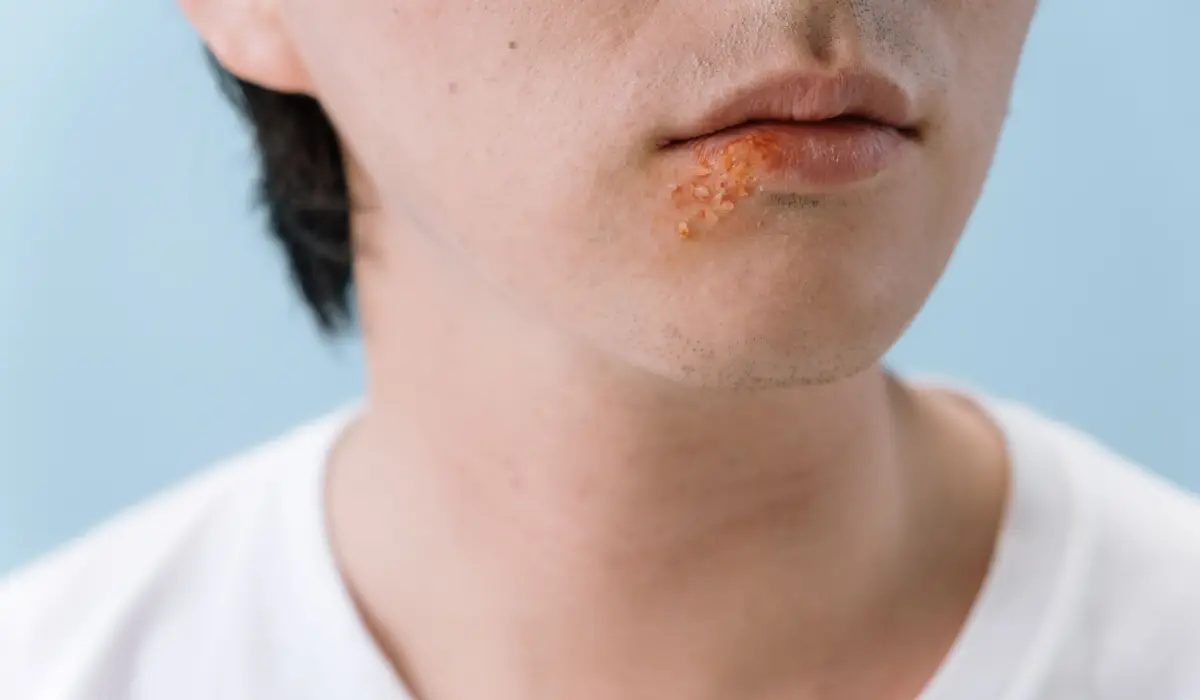
HPV is not herpes. These are different sexually transmitted infections caused by different viruses, even though both can affect the genital area and spread through sexual contact.
Human papillomavirus is the full name for HPV, while herpes is usually caused by herpes simplex virus, also called HSV. Some HPV types may cause genital warts or certain cancers, while herpes may cause painful blisters, sores, itching, burning, or repeat outbreaks.
HPV and Herpes Safety Summary
These infections are not the same. They have different causes, symptoms, testing methods, and treatment approaches.They are caused by different viruses, have different symptoms, and need different medical care.
HPV often causes no symptoms. However, some types can cause genital warts, and high-risk types can lead to cervical, anal, throat, penile, vulvar, or vaginal cancers.
Herpes may also cause no symptoms in some people. However, when symptoms appear, they often include painful blisters or open sores around the genitals, anus, thighs, mouth, or nearby skin.
HPV vs Herpes: Comparison Table
| Feature | HPV | Herpes |
| Full name | Human papillomavirus | Herpes simplex virus |
| Main virus types | Low-risk and high-risk HPV types | HSV-1 and HSV-2 |
| Same infection? | No | No |
| Common symptoms | Often none, sometimes genital warts | Blisters, sores, burning, itching, pain |
| Can it come back? | Warts may return; virus may persist | Outbreaks can recur |
| Cancer risk | Some HPV types can cause cancer | Not a typical cancer-causing STI |
| Vaccine available? | Yes, HPV vaccine | No widely used herpes vaccine |
| Cure available? | No direct cure for the virus, but problems can be treated | No cure, but antivirals can manage outbreaks |
| Testing | Cervical HPV tests, Pap tests, exam for warts | Swab test from sore or blood test in some cases |
| Treatment focus | Treat warts or abnormal cells | Antiviral medicine for outbreaks |
What Is HPV?
HPV is a common virus that spreads mainly through intimate skin-to-skin contact. It can affect the genital area, anus, mouth, and throat.
Many people with HPV never know they have it because symptoms may not appear. In many cases, the immune system clears or controls the infection naturally.
However, some HPV types can cause genital warts. In addition, high-risk HPV types can cause cell changes that may develop into cancer over time if not found and managed.
What Is Herpes?
Herpes is an infection caused by herpes simplex virus. The two main types are HSV-1 and HSV-2.
HSV-1 often causes oral herpes, such as cold sores around the mouth. However, it can also cause genital herpes through oral-genital contact.
HSV-2 more commonly causes genital herpes. Once a person has herpes, the virus can stay in the body and may reactivate later, causing repeat outbreaks.
Why People Confuse HPV With Herpes?
People often confuse HPV and herpes because both can spread through sexual contact. Also, both can affect the genital area.
In addition, both infections may be silent. A person can have HPV or herpes without obvious symptoms and may not know when they got it.
However, the visible symptoms are usually different. HPV-related genital warts are often bumps or growths, while herpes more often causes painful blisters or sores.
HPV Symptoms
Most HPV infections do not cause symptoms. Therefore, a person may have HPV and feel completely normal.
When low-risk HPV causes genital warts, the warts may appear as small bumps, rough growths, or cauliflower-like clusters. They may appear around the genitals, anus, or nearby skin.
High-risk HPV usually does not cause visible symptoms at first. Instead, it may cause abnormal cell changes that are found through cervical screening, Pap tests, or HPV tests.
Herpes Symptoms
Herpes symptoms may include small blisters that break open and become painful sores. These sores may appear around the genitals, anus, thighs, buttocks, or mouth.
Some people also feel tingling, itching, burning, pain when urinating, swollen glands, fever, body aches, or unusual discharge during an outbreak.
However, not everyone gets obvious sores. Some herpes symptoms are mild and may be mistaken for razor bumps, yeast infection, pimples, or irritation.
HPV vs Herpes Symptoms: Normal vs Not Normal
Small painless bumps may suggest genital warts, but only a healthcare provider can confirm the cause. Painful blisters, open sores, burning, or tingling may suggest herpes.
However, self-diagnosis is not reliable. Many skin conditions can look similar, including ingrown hairs, folliculitis, yeast infection, syphilis, molluscum contagiosum, or allergic irritation.
You should get medical care if you notice genital sores, painful bumps, unusual bleeding, discharge, fever, swollen glands, or symptoms after sexual exposure.
How HPV Spreads?
HPV spreads through intimate skin-to-skin contact. This may include vaginal sex, anal sex, oral sex, and other genital contact.
A person can pass HPV even if they have no symptoms. Also, symptoms may appear months or years after exposure, so it is often hard to know when the infection started.
Condoms can lower the risk, but they do not fully prevent HPV because uncovered skin can still spread the virus.
How Herpes Spreads?
Herpes spreads through direct contact with infected skin, sores, saliva, or genital fluids. It can spread through vaginal, anal, or oral sex.
Herpes is easier to spread when sores or blisters are present. However, it can also spread when no visible symptoms are present.
Avoiding sex during outbreaks can reduce risk. In addition, condoms and antiviral medicine may lower transmission risk, but they do not remove the risk completely.
Is HPV More Dangerous Than Herpes?
HPV and herpes can both affect health, but they cause different concerns. HPV is more strongly linked with cancer risk because high-risk HPV types can cause abnormal cell changes.
Herpes is not usually linked to cancer. However, it can cause painful outbreaks, emotional stress, transmission concerns, and serious risk for newborns if active infection occurs around delivery.
Therefore, one is not simply “worse” than the other. The risk depends on the virus type, symptoms, pregnancy status, immune health, screening, and treatment.
Can HPV Turn Into Herpes?
No, HPV cannot turn into herpes. They are different viruses.
HPV is caused by human papillomavirus. Herpes is caused by herpes simplex virus.
However, a person can have both infections at the same time. Because both are common STIs, testing and medical evaluation are important if symptoms appear.
Can Herpes Cause HPV?
No, herpes does not cause HPV. These infections have separate causes.
Herpes comes from HSV-1 or HSV-2. HPV comes from human papillomavirus.
Still, having one STI can sometimes mean there may have been exposure risk for others. Therefore, a sexual health check may be useful if you are unsure.
Testing for HPV
HPV testing is most commonly used in cervical cancer screening. It checks for high-risk HPV types that can cause cervical cell changes.
A Pap test is different. It looks for abnormal cervical cells, while an HPV test looks for the virus linked to those changes.
There is no routine HPV test for every body site or for all people. Genital warts are often diagnosed by a healthcare provider through visual exam.
Testing for Herpes
Herpes testing may involve swabbing a fresh sore or blister. This is often the most useful test when visible symptoms are present.
Blood tests may show whether a person has antibodies to HSV-1 or HSV-2. However, blood tests may not always tell when or where the infection happened.
If you have new genital sores, get checked quickly. Testing is usually more accurate when sores are fresh.
HPV Treatment
There is no medicine that removes HPV itself from the body. However, many HPV infections clear or become inactive over time.
Genital warts can be treated with prescription creams, freezing, removal procedures, or other doctor-guided treatments. Do not use regular wart remover on genital skin.
Abnormal cervical cells can also be monitored or treated. Regular screening is important because early cell changes are often treatable before they become cancer.
Herpes Treatment
There is no cure that removes herpes from the body. However, antiviral medicines can help manage symptoms and reduce outbreaks.
Common antiviral medicines may include acyclovir, valacyclovir, or famciclovir. A doctor may prescribe them for outbreaks or as daily suppressive therapy.
Treatment works best when started early. Therefore, people with tingling, burning, or early outbreak symptoms should contact a healthcare provider quickly.
HPV Vaccine and Prevention
The HPV vaccine helps protect against HPV types that can cause genital warts and certain cancers. It works best before exposure to HPV.
However, some people may still benefit from vaccination later, depending on age, health history, and local medical guidance.
Condoms, regular screening, limiting sexual exposure risk, and avoiding sex with visible genital warts can also lower risk. Still, HPV can spread from skin not covered by condoms.
Herpes Prevention
Herpes prevention includes avoiding sexual contact during outbreaks. This is important because sores and blisters can be highly contagious.
Condoms can reduce the risk, but they do not fully prevent herpes because the virus can be present on nearby skin.
Daily antiviral medicine may reduce outbreaks and lower transmission risk in some people. A healthcare provider can explain whether this is appropriate.
HPV and Herpes During Pregnancy
Pregnancy makes medical advice especially important. Herpes can be serious for newborns if the baby is exposed during delivery, especially with a new infection late in pregnancy.
HPV can sometimes cause genital warts that grow or bleed during pregnancy. However, many people with HPV have normal pregnancies.
If you are pregnant and have genital sores, warts, or a known STI history, tell your OB-GYN or midwife. They can plan safer monitoring and delivery care.
When to See a Doctor?
See a doctor or sexual health clinic if you have genital blisters, sores, bumps, itching, burning, pain, bleeding, or unusual discharge.
Also, get checked if a partner tells you they have HPV, herpes, or another STI. Testing and counseling can help reduce confusion and risk.
Seek urgent medical care for severe genital pain, trouble urinating, fever with sores, pregnancy-related symptoms, or symptoms in someone with a weakened immune system.
What Not to Do?
Do not assume every genital bump is HPV. Also, do not assume every sore is herpes without testing.
Do not use over-the-counter wart remover on genital warts. These products can damage sensitive genital skin.
Also, do not hide symptoms from a partner or healthcare provider. Clear communication and proper treatment help reduce spread and complications.
Questions to Ask a Doctor
Ask whether your symptoms look more like HPV, herpes, or another condition. Also, ask what test is best for your symptoms.
If you have HPV, ask whether you need cervical screening, wart treatment, or HPV vaccination. If you have herpes, ask about antiviral medicine and outbreak prevention.
You can also ask how to protect partners, when sex is safest, and what symptoms should prompt urgent care.
Final Thoughts
HPV is not herpes. These infections are caused by different viruses and affect the body in different ways.
Some HPV types may cause genital warts or certain cancers. Herpes, however, may cause painful blisters, open sores, itching, burning, and repeat outbreaks.
Overall, the safest step is to avoid guessing based on appearance alone. If you have genital bumps, sores, or possible STI exposure, get checked by a healthcare professional.
FAQs
No, HPV is not herpes. HPV is human papillomavirus, while herpes is caused by herpes simplex virus. They are different infections with different symptoms.
No, genital warts are usually caused by HPV. Herpes usually causes painful blisters or sores, although symptoms can vary and testing may be needed.
Sometimes genital skin changes can be confusing. HPV warts may look like bumps, while herpes often causes blisters or sores. A doctor can confirm.
Yes, a person can have HPV and herpes at the same time. Both are common STIs, so testing may be helpful after exposure or symptoms.
HPV usually does not cause painful open sores. It may cause genital warts or abnormal cell changes. Painful sores are more commonly linked to herpes.
Herpes is not typically considered a cancer-causing STI. High-risk HPV types can cause cell changes that may lead to certain cancers over time.
Reference
- NHS – Genital Herpes
https://www.nhs.uk/conditions/genital-herpes/ - Mayo Clinic – Genital Herpes Symptoms & Causes
https://www.mayoclinic.org/diseases-conditions/genital-herpes/symptoms-causes/syc-20356161