
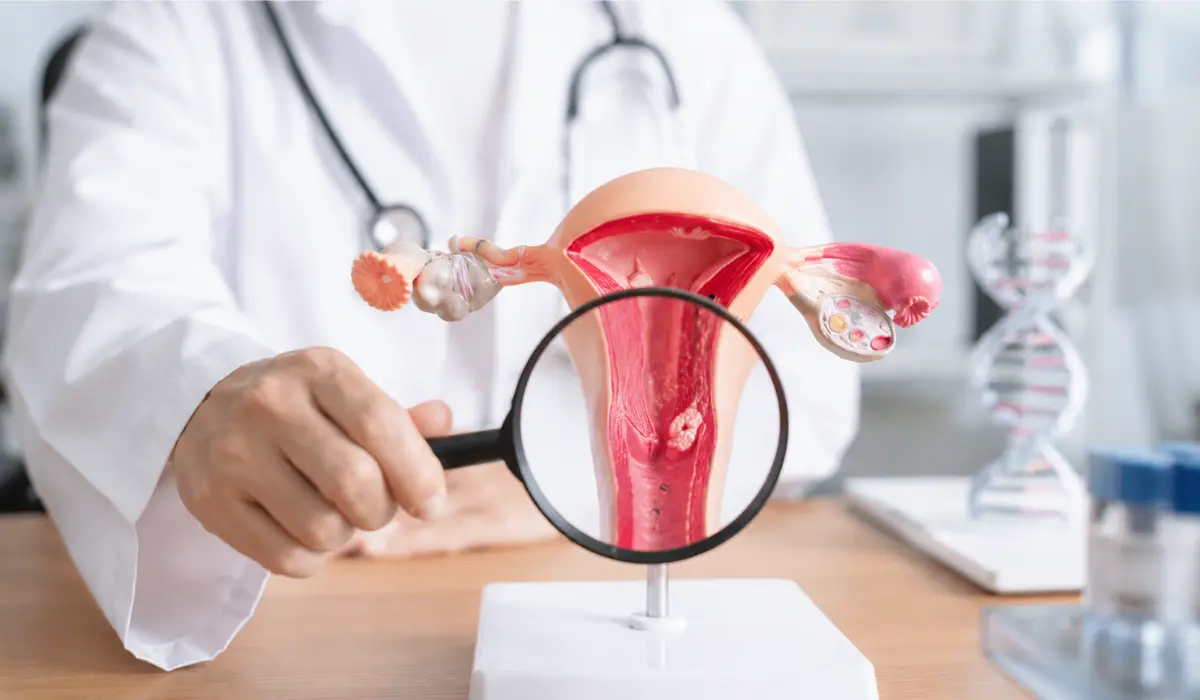
Cervical cancer is not inherited like some breast, ovarian, or colon cancers. It usually develops after a long-lasting infection with high-risk human papillomavirus, commonly called HPV.
Genes can still affect risk, but they are not the main cause for most people. Cervical cancer may involve changes inside cervical cells, yet these changes usually happen during a person’s lifetime. They are not commonly passed from parent to child.
Is Cervical Cancer Passed Down Through Families?
Cervical cancer does not usually pass directly from one generation to another. A person does not inherit cervical cancer itself from a mother, father, or grandparent.
However, family history may still matter. The American Cancer Society notes that women with a mother or sister who had cervical cancer may have a higher chance of developing it than women with no family history. Researchers think this may relate to inherited differences in how the body fights HPV infection.
This means family history can increase risk, but it does not mean cervical cancer is mainly genetic. HPV infection, immune response, smoking, screening history, and other health factors usually matter more.
The Main Cause Of Cervical Cancer Is HPV
Almost all cervical cancers are linked to HPV, a common virus that can spread through sexual contact. Some HPV types cause genital warts, while high-risk HPV types can cause cell changes on the cervix over time. The CDC states that almost all cervical cancers are caused by HPV.
Most HPV infections do not become cancer. In many people, the immune system clears HPV naturally. The problem starts when a high-risk HPV infection stays in the body for many years. Over time, it can change normal cervical cells into abnormal cells. If doctors do not find and treat these abnormal cells, they may develop into cervical cancer.
HPV types 16 and 18 cause a large share of cervical cancers worldwide. This is why HPV vaccination and regular cervical screening are so important for prevention.
How Genes Are Involved In Cervical Cancer?
Cervical cancer can involve genetic changes, but these changes often happen inside the cervical cells after HPV infection. They are usually not inherited from parents.
High-risk HPV can affect important genes that normally help control cell growth. The American Cancer Society explains that HPV proteins can turn off tumor suppressor genes such as p53 and Rb. When these protective genes do not work properly, cervical cells may grow in an abnormal way.
So, cervical cancer can be called a disease involving genetic changes in cells. But that is different from saying it is an inherited genetic cancer.
Inherited Risk vs Cell Changes
It helps to understand the difference between two types of gene changes.
Inherited Gene Changes
Inherited gene changes are passed from parent to child. These changes are present in the body from birth. Some cancers have strong inherited links, such as certain breast and ovarian cancers related to BRCA1 or BRCA2 gene changes. Cervical cancer is not usually grouped with these strongly inherited cancers.
Acquired Gene Changes
Acquired gene changes happen during life. In cervical cancer, these changes often happen after long-term high-risk HPV infection. Smoking, immune weakness, and missed screening can also raise the chance that abnormal cervical cells progress.
This is why cervical cancer prevention focuses more on HPV vaccination, Pap tests, HPV tests, and early treatment of precancerous changes.
Does Family History Mean You Will Get Cervical Cancer?
No. A family history of cervical cancer does not mean you will definitely get it. It only means your risk may be higher than someone with no family history.
You can still lower your risk by staying up to date with cervical cancer screening, getting the HPV vaccine if eligible, avoiding smoking, and speaking with a healthcare provider about your personal risk.
If your mother, sister, or close relative had cervical cancer, tell your doctor. They may recommend that you stay especially consistent with Pap tests or HPV testing.
Other Risk Factors For Cervical Cancer
Cervical cancer risk can increase when high-risk HPV lasts for a long time. Other factors may also make it harder for the body to clear HPV or prevent abnormal cell changes.
Common risk factors include smoking, weakened immune system, HIV infection, long-term use of birth control pills, multiple full-term pregnancies, and not getting regular cervical screening. Cancer Research UK also lists HPV infection, HIV, smoking, contraceptive pill use, and family history among cervical cancer risk factors.
These risks do not mean cervical cancer will happen. They only increase the chance. Regular screening can often find abnormal cells before they become cancer.
Can Cervical Cancer Be Prevented?
Cervical cancer is one of the more preventable cancers because doctors can often find early cell changes before cancer develops.
HPV vaccination helps protect against the high-risk HPV types that cause many cervical cancers. Cervical screening with Pap tests and HPV tests can find abnormal changes early. Treating precancerous changes can stop them from turning into cancer.
Good prevention also includes not smoking, using protection during sex, and following your doctor’s screening schedule.
When Should You Talk To A Doctor?
You should talk to a doctor if you have abnormal vaginal bleeding, bleeding after sex, pelvic pain, unusual discharge, or bleeding after menopause. These symptoms do not always mean cervical cancer, but they need medical attention.
You should also ask about screening if you are unsure when you last had a Pap test or HPV test. Early detection gives doctors more options and usually leads to better outcomes.
Final Verdict
So, Cervical cancer is usually not inherited. It mainly develops after long-lasting infection with high-risk HPV. Genetics can influence how the body responds to HPV, and family history may slightly raise risk, but HPV infection and screening history play a much larger role.
The best way to protect yourself is to get regular cervical screening, consider HPV vaccination if eligible, avoid smoking, and discuss family history with a healthcare provider. Cervical cancer can often be prevented when doctors find and treat abnormal cervical cells early.
FAQs
Cervical cancer is usually not hereditary. Most cases are linked to persistent high-risk HPV infection rather than a gene passed directly from parent to child.
Yes, cervical cancer may occur more often in some families. This may relate to inherited immune differences, shared risks, or screening habits, not direct inheritance.
No. HPV is a virus, not a genetic condition. It spreads mainly through sexual contact and can sometimes cause cervical cell changes.
It is rare. Almost all cervical cancers are linked to HPV, but other factors may affect how abnormal cells develop and progress.
You should tell your doctor, but do not panic. Family history may increase risk, so regular Pap tests and HPV testing become especially important.
References
CDC
Cervical Cancer Risk Factors
https://www.cdc.gov/cervical-cancer/risk-factors/index.html
American Cancer Society
Risk Factors for Cervical Cancer
https://www.cancer.org/cancer/types/cervical-cancer/causes-risks-prevention/risk-factors.html
National Cancer Institute
Cervical Cancer Causes, Risk Factors, and Prevention
https://www.cancer.gov/types/cervical/causes-risk-prevention
Mayo Clinic
Cervical Cancer: Symptoms and Causes
https://www.mayoclinic.org/diseases-conditions/cervical-cancer/symptoms-causes/syc-20352501