
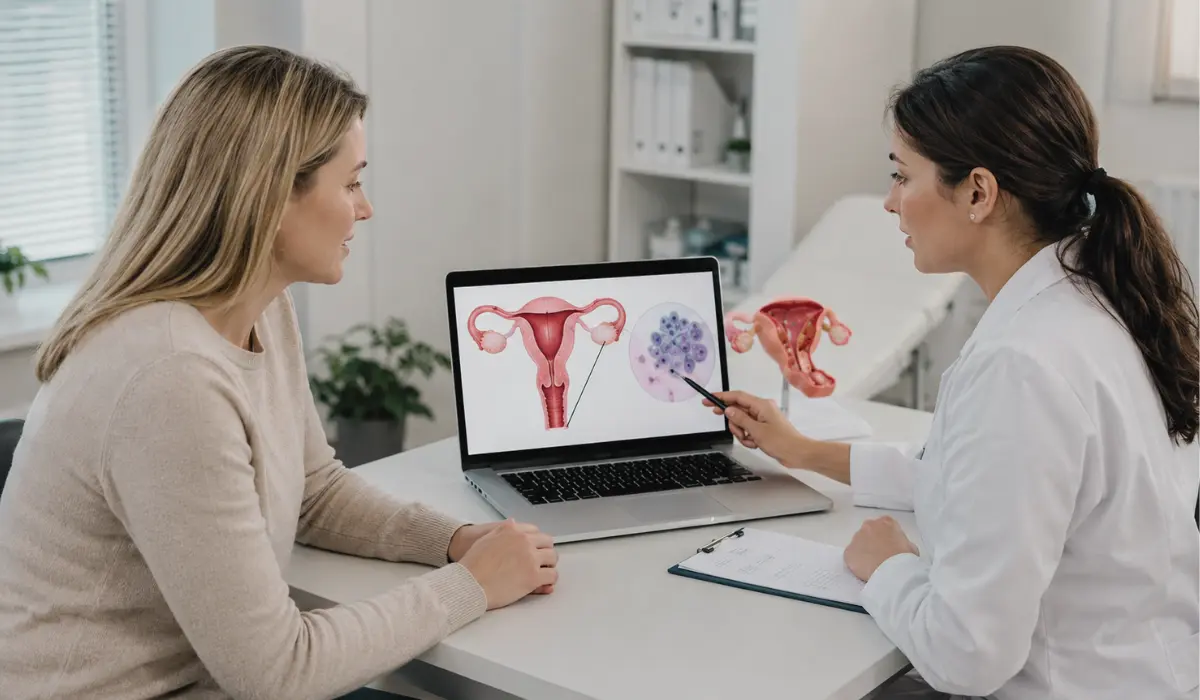
Abnormal Pap smear results mean that the lab found changes in cervical cells. This does not automatically mean cervical cancer. Many abnormal results are mild, temporary, and linked to human papillomavirus, also called HPV.
A Pap smear checks cervical cells for changes. An HPV test looks for high-risk HPV types that may increase the chance of cervical precancer over time. Your doctor may use both results together.
The important step is follow-up. Some results only need repeat testing, while others need a closer exam. Understanding the result helps reduce worry and makes the next medical step clearer.
Common Causes Of Abnormal Pap Smear Results
HPV is the most common cause of abnormal Pap smear results. Many sexually active adults are exposed to HPV at some point, and the body often clears it naturally without treatment.
Other causes of abnormal Pap smear may include inflammation, vaginal infection, yeast infection, bacterial imbalance, recent sexual activity, or irritation around the cervix. Menopause-related dryness can also make cervical cells look different.
An abnormal result should not be ignored, even when the cause seems minor. Follow-up testing helps confirm whether the changes are harmless, improving, persistent, or needing treatment.
Types Of Abnormal Pap Smear Results
ASC-US means atypical squamous cells of undetermined significance. It is one of the most common abnormal results and often means the cell changes are mild or unclear.
LSIL means low-grade squamous intraepithelial lesion. It usually suggests mild cell changes, often related to HPV. HSIL means high-grade squamous intraepithelial lesion and needs closer evaluation.
Other results, such as ASC-H, AGC, or AIS, may need more urgent follow-up. These terms do not confirm cancer, but they show that careful testing is important.
What Happens After Abnormal Pap Smear Results?
The next step depends on your age, HPV result, previous screening history, and the exact Pap result. Your doctor may recommend repeat testing after several months or one year.
If the result is more concerning, a colposcopy may be advised. During colposcopy, the cervix is examined with a special magnifying device to look for abnormal areas.
A small biopsy may be taken if the doctor sees suspicious tissue. Biopsy results give more accurate information and help decide whether monitoring or treatment is needed.
Treatment Options And Follow-Up Care
Not all abnormal Pap smear results need treatment. Mild changes may go away on their own, especially when they are linked to a temporary HPV infection.
If precancerous changes are found, treatment may remove or destroy the abnormal tissue. Common options may include LEEP, cone biopsy, cryotherapy, or laser treatment, depending on the case.
After treatment or monitoring, follow-up testing is very important. Regular cervical screening helps make sure abnormal cells do not return or progress silently over time.
When To Contact A Doctor Quickly?
Abnormal Pap smear results are usually not an emergency, but you should not delay follow-up appointments. Timely care helps detect serious changes before they become harder to treat.
Contact your doctor sooner if you have unusual vaginal bleeding, bleeding after sex, pelvic pain, foul-smelling discharge, or bleeding after menopause. These symptoms need medical attention.
Also speak with your doctor if you are pregnant, immunocompromised, or have had abnormal results before. Your follow-up plan may be different based on personal risk factors.
How To Lower Future Risk?
You cannot fully prevent every abnormal Pap result, but you can lower risk with regular screening. Cervical changes are easier to manage when found early.
HPV vaccination can help protect against several high-risk HPV types. Using condoms may reduce HPV exposure, but it does not remove the risk completely.
Avoid smoking, keep follow-up visits, and ask your doctor what screening schedule fits your age and history. Consistent care is the best protection against cervical cancer.
FAQs
No. Abnormal Pap smear results usually mean cervical cell changes, often from HPV or inflammation. Follow-up testing checks whether changes are mild, precancerous, or concerning.
Yes. Mild abnormal changes can go away naturally, especially in younger people. Your doctor may recommend repeat testing to make sure the cells return to normal.
Colposcopy may feel like pressure or mild cramping. If a biopsy is taken, brief discomfort or spotting can happen, but most people return to normal activities.
Yes. Yeast infection, bacterial imbalance, sexually transmitted infections, or cervical inflammation can sometimes affect Pap results. Your doctor may treat infection and repeat testing later.
Follow-up timing depends on the exact result and HPV status. Some people need repeat testing later, while others need colposcopy sooner. Follow your doctor’s advice.
References
- American College of Obstetricians and Gynecologists (ACOG)
Abnormal Cervical Cancer Screening Test Results
https://www.acog.org/womens-health/faqs/abnormal-cervical-cancer-screening-test-results - Mayo Clinic
Pap smear results: What abnormal results mean
https://www.mayoclinic.org/tests-procedures/pap-smear/about/pac-20394841 - National Cancer Institute (NCI)
Cervical Cancer Screening (PDQ®) – Patient Version
https://www.cancer.gov/types/cervical/patient/cervical-screening-pdq - Centers for Disease Control and Prevention (CDC)
Cervical Cancer Screening Guidelines and Resources
https://www.cdc.gov/cancer/cervical/basic_info/screening.htm