
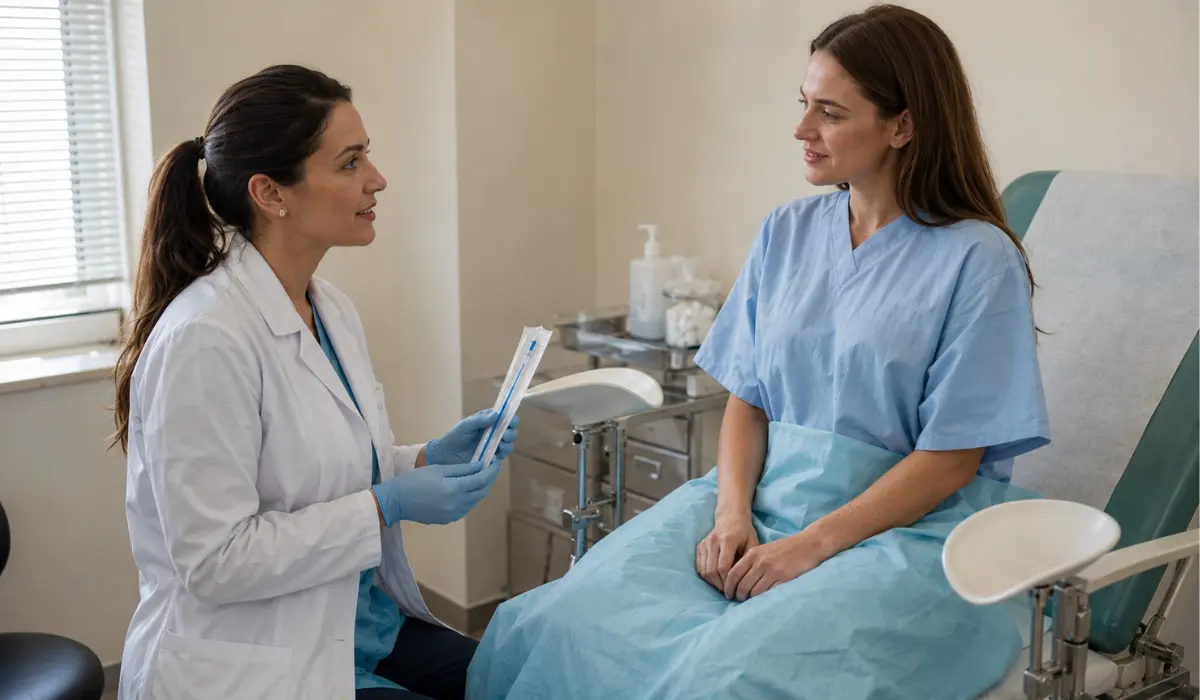
A Pap smear usually does not hurt, but it can feel uncomfortable. Most people describe pressure, stretching, a brief pinch, or mild cramping. The sensation normally lasts only while the speculum is open and the cervical sample is collected. For many people, anticipation feels worse than the procedure itself.
Everyone experiences the test differently. Some people feel almost nothing, while others find it painful. Anxiety, tight pelvic muscles, vaginal dryness, menopause, certain health conditions, previous trauma, and the size or position of the speculum can affect comfort. Therefore, another person’s experience cannot predict exactly how yours will feel.
Pain should never be treated as something you simply have to tolerate. Tell the healthcare professional immediately if you feel sharp, intense, or increasing pain. They can pause, adjust the speculum, use a smaller instrument, add lubricant, change your position, or stop the examination completely. Honest communication helps the clinician respond.
What Happens During A Pap Smear?
A Pap smear is a cervical cancer screening test. It checks cells from the cervix for abnormal changes that could become cancer if they are not monitored or treated. It may be performed alone or alongside an HPV test, depending on your age, history, and current screening guidance.
During the appointment, you undress from the waist down and lie on an examination table. A healthcare professional gently inserts a smooth instrument called a speculum into the vagina, then opens it slightly so the cervix can be seen. This step commonly creates pressure rather than actual pain.
A soft brush or small spatula is used to collect cells from the cervix. This part usually takes only a few seconds and may cause a quick cramp or scraping sensation. The speculum is then closed and removed, after which you can dress and return to normal activities without a recovery period.
Why Might A Pap Smear Feel Painful?
Discomfort often comes from the speculum rather than the collection of cervical cells. The instrument stretches the vaginal walls slightly, which may create pressure or fullness. If the pelvic floor muscles tighten, insertion can become more difficult and uncomfortable, especially when someone feels anxious or rushed.
Vaginal dryness can also increase friction. It is more common during or after menopause, while breastfeeding, with some medications, and when estrogen levels are low. Inflammation, infection, vulvodynia, vaginismus, endometriosis, or another pelvic condition may make an examination painful. Recent irritation may increase sensitivity too.
Emotional factors matter as well. Fear, embarrassment, a previous painful examination, or a history of sexual trauma can cause the body to tense automatically. Informing the clinician beforehand allows extra time, clear explanations, a smaller speculum, position changes, and pauses whenever needed. A supportive approach can make a meaningful difference.
How To Prepare For A More Comfortable Pap Smear?
Tell the clinic before your appointment if pelvic examinations have previously been painful or distressing. You may request an experienced clinician, a female professional, a chaperone, a longer appointment, or a smaller speculum. These requests are reasonable and can promote a calmer experience.
Before the test, emptying your bladder may reduce pressure. Wear comfortable clothing and consider bringing a pantyliner in case light spotting occurs afterward. Ask your clinician whether vaginal medicines, creams, lubricants, sex, or having a Pap smear on periods could affect your appointment or sample accuracy.
During the examination, breathe slowly and relax your jaw, shoulders, abdomen, and thighs. Let the clinician know what helps, including explaining each step or keeping conversation minimal. You remain in control and may ask them to pause, reposition the instrument, or stop at any time.
What Does A Pap Smear Feel Like?
When the speculum enters, you may notice coolness, pressure, or stretching. As it opens, the sensation can resemble fullness or a mild period cramp. Collecting the cells may feel like a quick brush, pinch, or brief internal scratch, but this feeling normally passes almost immediately.
The sampling itself generally lasts only several seconds, although the complete appointment takes longer. Try not to hold your breath. Slow breathing can help prevent involuntary tightening of the pelvic muscles and make insertion and removal easier. Tell the clinician promptly if discomfort begins to increase.
Some people feel mild cramping for a short time after the test. Light spotting can also happen because the cervix may bleed slightly when touched. You can usually continue your normal day immediately. However, severe pain is not an expected part of routine cervical screening and deserves proper medical attention.
When Should You Seek Medical Advice?
Mild spotting or light bleeding for a few hours after a Pap smear can be normal. Minor cramping may also occur briefly. A pantyliner can be useful, but tampons are generally unnecessary unless your healthcare professional provides different instructions. These effects should improve rather than become progressively worse.
Contact a healthcare professional if bleeding becomes heavy, continues longer than expected, or is accompanied by worsening pelvic pain. Fever, chills, faintness, or unusual vaginal discharge also warrants medical advice because these symptoms are not typical after routine screening and may require an examination.
Persistent pain may relate to dryness, infection, pelvic floor tension, or another gynecologic condition rather than the Pap smear itself. Do not ignore recurring pain during examinations, penetration, or sex. Discussing it with a clinician can lead to evaluation, treatment, and a more comfortable plan for future screenings and care.
Final Thoughts
So, does a Pap smear hurt? For most people, it causes temporary pressure or mild discomfort rather than significant pain. The most uncomfortable part is often insertion or opening of the speculum, while cell collection usually takes only seconds and should not cause prolonged pain.
Your experience is valid even if it differs from someone else’s. Pain is more likely when muscles tighten, vaginal tissues are dry or sensitive, an underlying condition is present, or earlier experiences make the examination emotionally difficult. Support, patience, and simple adjustments can often help considerably.
Preparing beforehand, communicating openly, breathing slowly, and requesting a smaller speculum may improve comfort. Most importantly, you control the examination and can pause or end it. Do not avoid needed screening silently; speak with a trusted clinician about making the process safer, calmer, and more manageable for you during future visits.
FAQs
A first Pap smear may feel unfamiliar, but it should not be severely painful. Expect brief pressure or mild cramping, and tell the clinician immediately if you experience pain afterward.
A Pap smear can be more uncomfortable when vaginal tissues are dry or sensitive after menopause. Ask about a smaller speculum, additional lubricant, positioning, or appropriate treatment with them beforehand.
Light spotting and mild cramping can occur briefly after cervical cells are collected. Contact a healthcare professional if bleeding is heavy, persistent, or accompanied by severe pain or fever afterward.
You can request a smaller speculum before or during the examination. Tell the clinic when booking, especially if previous pelvic examinations were painful, difficult, or emotionally distressing for you personally.
Slow breathing, relaxing your pelvic muscles, emptying your bladder, and communicating openly may help. You may request pauses, position changes, more lubricant, or an end to the examination whenever needed.
References
1. Mayo Clinic
Pap Smear
https://www.mayoclinic.org/tests-procedures/pap-smear/about/pac-20394841
2. NHS
What Happens at Your Cervical Screening Appointment
https://www.nhs.uk/tests-and-treatments/cervical-screening/what-happens/
3. Centers for Disease Control and Prevention (CDC)
Screening for Cervical Cancer
https://www.cdc.gov/cervical-cancer/screening/index.html
4. American College of Obstetricians and Gynecologists (ACOG)
Cervical Cancer Screening
https://www.acog.org/womens-health/faqs/cervical-cancer-screening
5. MedlinePlus
Pap Test
https://medlineplus.gov/ency/article/003911.htm